Why Being Qualified Is No Longer Enough in Today’s Healthcare Job Market
For many healthcare professionals, the belief has long been simple: get the right qualification, and the job will follow. A diploma, degree, or certification has traditionally been seen as the key that unlocks opportunities in hospitals, clinics, laboratories, and healthcare programs.
But today’s healthcare job market tells a different story.
Across Kenya and many other healthcare systems, being qualified is no longer enough on its own. Employers are looking beyond academic credentials and focusing on a broader set of factors that determine whether a professional can succeed in a real clinical environment.
Understanding this shift is important for any healthcare worker who wants to improve their chances of being selected.

The Growing Supply of Qualified Professionals
Healthcare training institutions have expanded significantly over the past decade. More universities, colleges, and training programs are producing nurses, clinical officers, laboratory technologists, and other healthcare professionals every year.
While this growth helps strengthen the healthcare workforce, it also means that many candidates now have similar academic qualifications.
When dozens—or sometimes hundreds—of applicants hold the same diploma or degree, employers must rely on other factors to decide who to shortlist.
Qualifications may open the door, but they no longer guarantee entry.

Employers Are Prioritizing Practical Readiness
Healthcare is a high-responsibility environment where decisions affect patient outcomes. Because of this, employers often prioritize professionals who demonstrate practical readiness rather than just theoretical knowledge.
Facilities increasingly look for candidates who can:
Adapt quickly to clinical workflows
Work confidently with patients and medical teams
Follow established protocols and safety procedures
Handle pressure in busy healthcare settings
A candidate who shows clear signs of being ready to contribute immediately often stands out more than someone whose strengths are only reflected on paper.
Document Readiness Matters More Than Many Realize
Another factor that strongly influences hiring decisions is document readiness.
Healthcare employers frequently need to verify important details before moving forward with a candidate. Missing documents, outdated certifications, or incomplete information can delay or even prevent a hiring decision.
Professionals who keep their documentation organized and ready tend to move through the recruitment process more smoothly. This includes:
Updated professional licenses
Valid practicing certificates
Clearly structured CVs
Proof of relevant training or specialization
Being prepared helps employers make faster decisions, especially when they need to fill roles quickly.

Availability Has Become a Key Hiring Factor
Healthcare facilities often operate under tight staffing timelines. When a position opens, employers may need someone who can start immediately or within a short period.
Even highly experienced professionals can lose opportunities if their availability does not match the employer’s needs.
Candidates who clearly communicate their availability and flexibility often receive faster follow-up from employers.
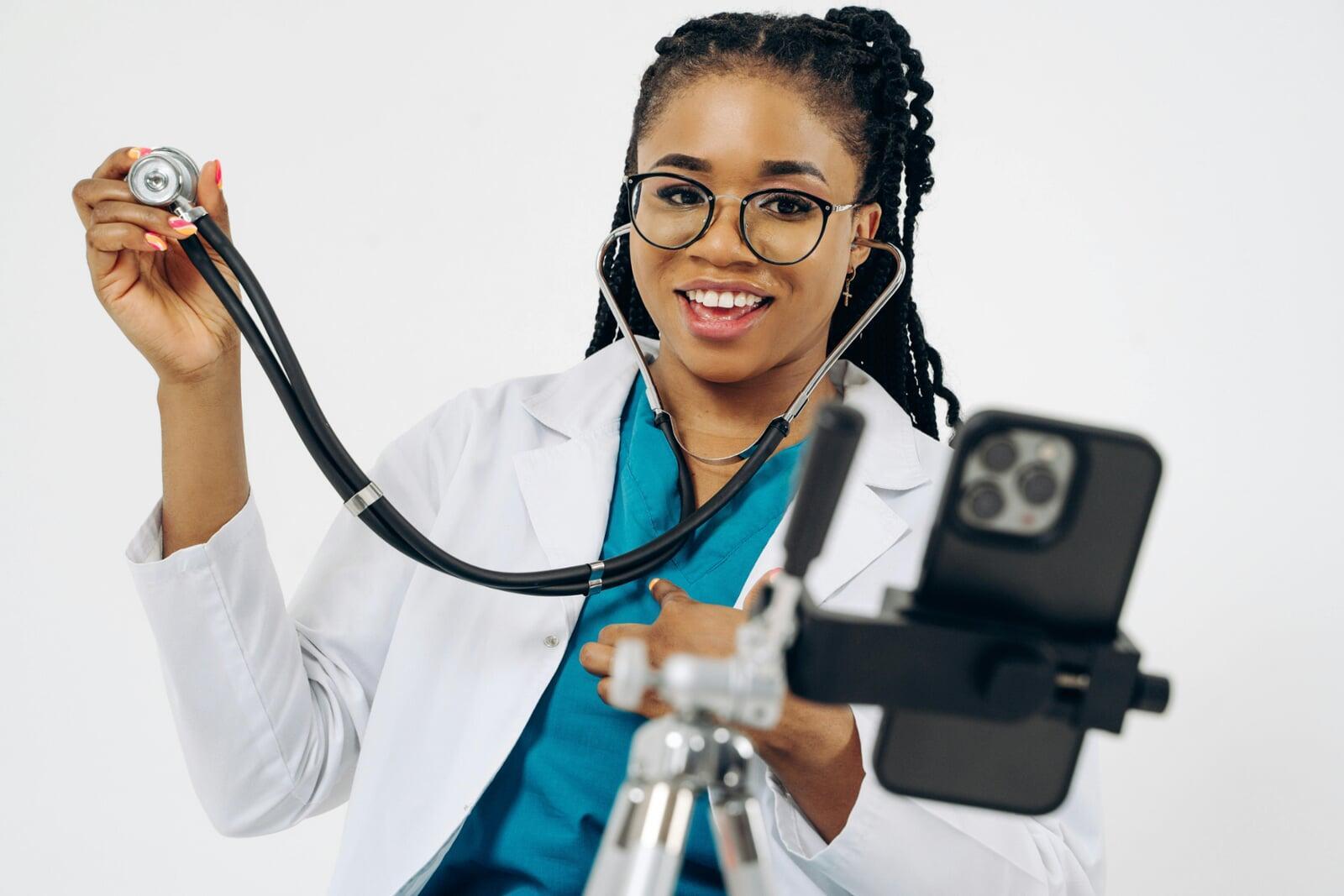
Professional Communication Is Increasingly Important
Healthcare is a collaborative field. Nurses, doctors, laboratory staff, administrators, and support teams must coordinate closely to deliver effective patient care.
Because of this, employers value professionals who demonstrate clear, professional communication during the hiring process.
This includes:
Responding to inquiries promptly
Providing accurate information when requested
Presenting themselves professionally in written and verbal interactions
These signals help employers feel confident that a candidate will communicate effectively within the workplace.
Structured Profiles Are Changing How Hiring Works
Healthcare recruitment is also becoming more structured. Instead of reviewing large volumes of unorganized CVs, employers increasingly prefer profiles that clearly present key information such as:
Role specialization
Years of experience
Current availability
Verified credentials
Structured talent platforms and databases make it easier for employers to filter candidates and identify professionals who closely match their needs.
This approach helps reduce delays and improves the chances of making the right hiring decision.

What This Means for Healthcare Professionals
Qualifications remain essential in healthcare—they represent the foundation of professional competence.
However, today’s job market rewards professionals who combine their qualifications with readiness, clarity, and professionalism.
Healthcare workers who stand out often demonstrate:
Clear and well-structured professional profiles
Complete and verified documentation
Professional communication
Availability aligned with employer needs
These elements help employers quickly identify candidates who are ready to contribute.
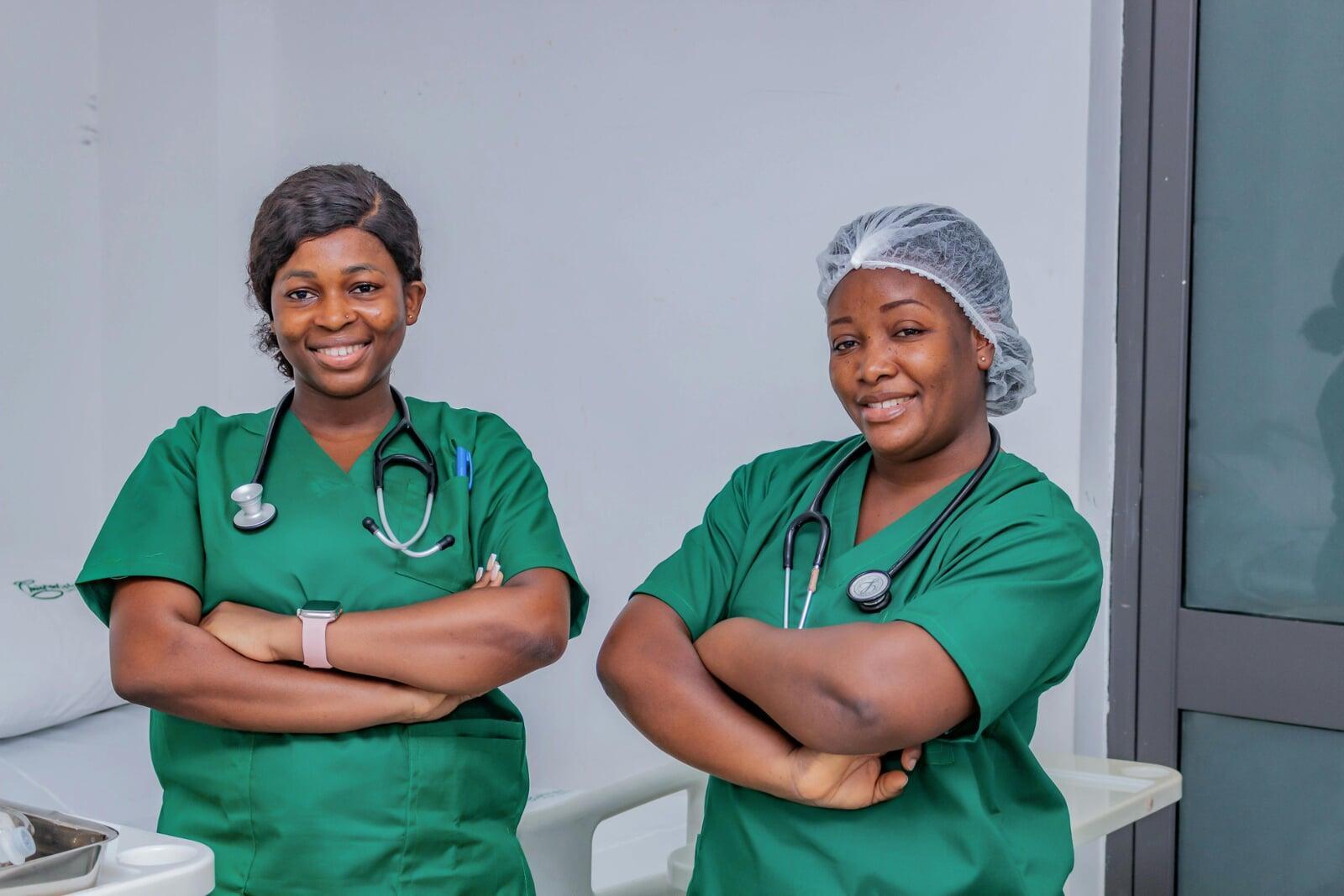
A Changing Healthcare Recruitment Landscape
Healthcare recruitment is evolving toward quality, trust, and efficiency.
Employers want to find the right professionals faster, while professionals want fair access to real opportunities. Platforms that organize and verify healthcare talent are increasingly helping bridge this gap.
For healthcare professionals, the key takeaway is simple:
Your qualification opens the door — but how prepared and visible you are determines whether the opportunity follows.